

Psychotherapy Services & Support


Sometimes life can feel overwhelming, unmanageable, or just “off.” You may notice yourself conserving energy, limiting social connections, or feeling disconnected from the person you used to be. You might not know exactly what is wrong, but you know you don’t feel like yourself.
You might consider therapy if you notice persistent stress, sadness, anxiety, or uncertainty that affects your daily life, relationships, or ability to enjoy activities you once liked. Therapy can also help if you feel stuck, have trouble making decisions, or find yourself avoiding challenges or withdrawing from others. Even if you are unsure whether therapy is “necessary,” exploring your feelings with a professional can provide clarity, perspective, and support for finding your next steps.
Individual therapy provides a safe and supportive space to explore these feelings and begin to reconnect with yourself. It can help you understand what might be contributing to stress, low mood, or confusion, identify patterns that interfere with your well-being, and develop strategies to live more aligned with your values. Therapy can guide you toward small steps that gradually help you feel more like yourself again.
Each individual therapy space is uniquely crafted to your needs, preferences, and style of exploration. Sessions are tailored to help you uncover your strengths, explore what matters most, and take steps toward clarity, balance, and a renewed sense of connection with yourself and others.

Individual Therapy: Finding Yourself Again

Anxiety: Forming a New Relationship with Anxiety
Anxiety is a common and often misunderstood experience. Many people seek anxiety counseling because anxiety can feel overwhelming, exhausting, or out of control. It is often treated as something to fear or eliminate, but anxiety itself is not the enemy.
Rather than something to silence, anxiety can be something to listen to and gently question. Anxiety often acts as a signal that something in your life needs attention, care, or protection. When viewed this way, anxiety can serve as a kind of compass, guiding you toward areas that may need healing, boundaries, or change.
Anxiety counseling is not about forcing yourself to feel calm or getting rid of anxious thoughts completely. Anxiety therapy focuses on helping you develop a new relationship with anxiety so it no longer controls your life. Together, we work to understand what your anxiety is communicating, reduce its intensity, and build tools for managing anxiety in everyday life.
With support, many people find they can respond to anxiety with more curiosity and less fear. Therapy for anxiety can help you feel more grounded, confident, and capable of moving through anxious moments without becoming overwhelmed.
Anxiety work is personal and collaborative. My role is to walk alongside you, help you make sense of your experience, and support you as you create a healthier, more manageable relationship with anxiety.
Depression: Moving Through the Fog
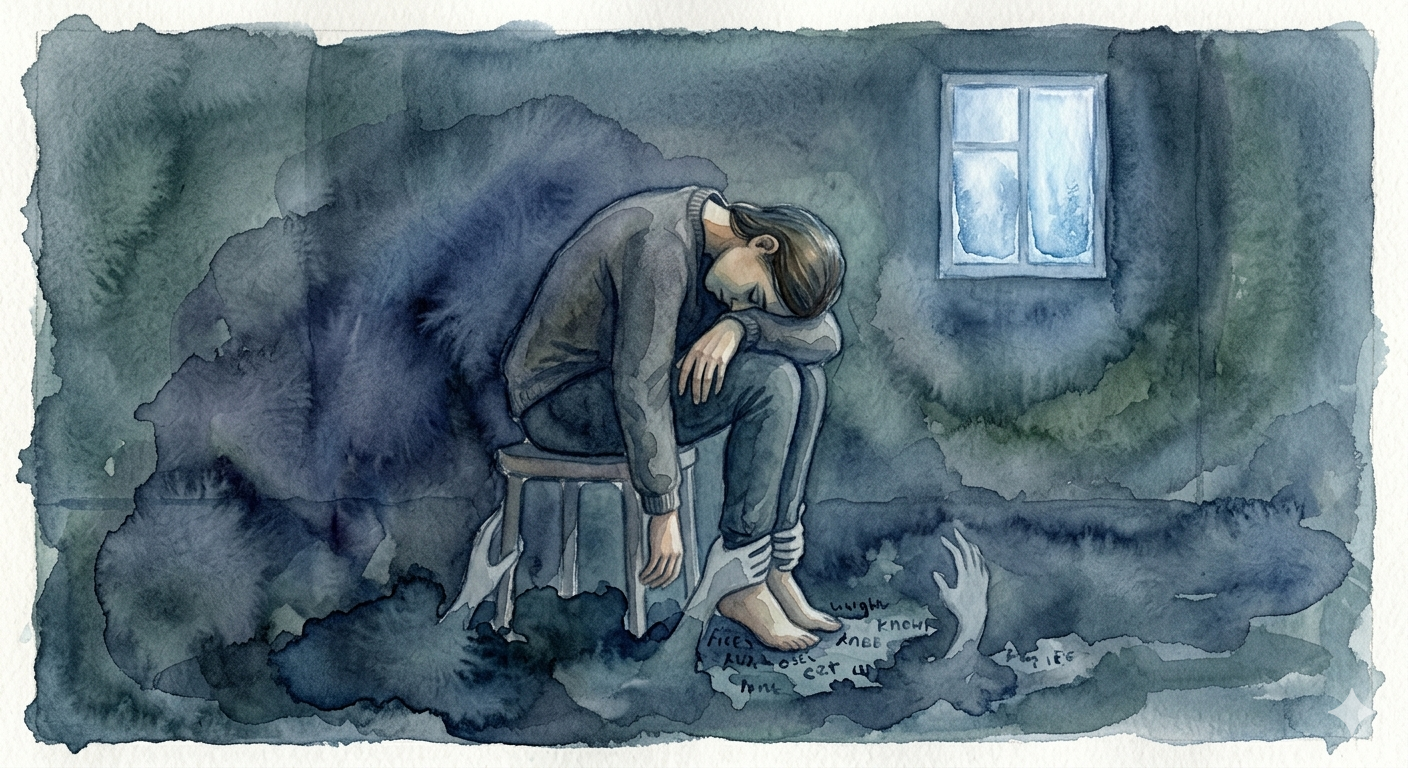
Depression can feel like a heavy fog that makes everything seem slower, darker, or unclear. Many people experience persistent sadness, loss of interest, fatigue, or difficulty concentrating. Depression can follow major life changes, ongoing stress, health challenges, or sometimes appear without a clear reason.
Depression counseling is not about pretending to feel happy or forcing yourself to “snap out of it.” It provides a supportive space to explore what you are experiencing, understand patterns that contribute to low mood, and develop strategies for moving forward in manageable steps. Counseling can help you notice small shifts, regain motivation, and reconnect with the parts of life that matter to you.
Moving through depression is about small, intentional steps that help you reconnect with life. Counseling can guide you in managing the heaviness, noticing moments of clarity, and gradually regaining interest in what matters most. Over time, these steps can help lift the fog and create space for hope, energy, and renewed engagement with life.
Depression work can feel heavy and uncertain, but you do not have to face it alone. Counseling can help you navigate the fog, notice small shifts in your mood and energy, and gradually find ways to re-engage with life. Step by step, these moments can bring light, hope, and a renewed sense of connection to yourself and the world around you.
Grief is one of the hardest and most life-altering experiences we go through. It can follow the death of someone we love, but it can also come from other types of loss, such as the end of a relationship, changes in health, identity shifts, or the loss of the life we imagined for ourselves. Grief does not follow a clear timeline, and the grieving process looks different for everyone.
Many people describe grief as feeling like the world keeps moving while their own world has stopped. Life continues around you, even as everything inside feels heavy, frozen, or unreal. People seeking grief counseling often share feeling overwhelmed, stuck, numb, angry, or exhausted. Others worry they are grieving the “wrong” way because they are not crying enough, or because they cannot stop crying. There is no right or wrong way to grieve.
Grief counseling is not about moving on or forgetting what has been lost. Grief therapy offers a supportive space where your grief is allowed to exist without being rushed, fixed, or minimized. Together, we create room for the pain, the love, the memories, and the meaning that comes` with loss.
Growing around grief means learning how to carry your loss in a way that does not take over your entire life. The grief itself may not get smaller, but you can grow slowly and gently around it, at your own pace. Counseling can help you understand your grief, put words to what feels impossible to say, and find ways to stay connected to what you have lost while also continuing to live a meaningful life.
Grief work is deeply personal. My role as a psychologist is to walk alongside you, offer steadiness when things feel unbearable, and help you feel less alone as you find your way forward, one step and one breath at a time.

Grief and Loss: Growing Around Grief

Burnout: Building Resiliency and Rest
Burnout can feel like running on empty. Many of us live in a fast-paced world that leaves little time for rest or recovery. Whether it’s long work hours, caregiving responsibilities, or navigating challenging systems, burnout can slowly drain your energy, motivation, and sense of purpose. Some people experience compassion fatigue or moral injury, feeling worn down by the constant demands placed on them.
Burnout counseling is not about pushing harder or “toughing it out.” It is about pausing, reflecting, and understanding what is causing your exhaustion. Together, we explore the patterns, pressures, and environments that contribute to burnout and work on strategies for rest, boundaries, and building resiliency.
Reclaiming yourself from burnout is about finding practical ways to restore your energy and protect your well-being. Burnout therapy can help you set boundaries, prioritize rest, and create routines that support balance. You can reconnect with what matters to you, recover focus, and regain a sense of control over your life.
Burnout work is personal and collaborative. My role as a psychologist is to help you identify the sources of your stress, support you in building sustainable habits, and guide you toward a healthier, more balanced life.
Life Transitions:
Embracing Change, Creating Clarity

Change is one of the most inevitable parts of life, yet it can feel confusing, scary, unsettling, and even exciting. Transitions, whether a career change, a move, a relationship shift, or other life milestones, often bring mixed emotions. It is normal to feel hesitation, uncertainty, or even grief for the life you are leaving behind.
Life transitions counseling offers a supportive space to explore these feelings and develop clarity about your next steps. Counseling is not about rushing through change or making decisions for you. Instead, it helps you understand your emotions, identify your values, and create a plan for navigating transitions from a place of empowerment.
Working through life changes can help you move with intention rather than react out of fear. You can gain confidence, find direction, and learn strategies to adapt, recover, and grow. Counseling can support you in embracing change with curiosity and clarity while honoring your pace and personal journey.
Life transitions work is about discovering your path forward. Counseling can help you sort through uncertainty, gain perspective on your options, and make decisions that align with your values. Together, we focus on building clarity, confidence, and a sense of direction so you can navigate change with purpose and intention.

How Therapy Works
Reach Out
Schedule a free consultation to see if we’re a good fit.
Begin Sessions
We meet weekly or biweekly in a supportive, confidential space.
Grow at Your Pace
Together we build tools, insight, and lasting change.
Frequently Asked Questions
-
Yes, a free 15-minute consultation helps us decide if we’re a good fit.
-
That’s completely okay. We move at your comfort level.
-
Getting started is simple. Reach out through our contact form or schedule a call—we’ll walk you through the next steps and answer any questions along the way.
-
Currently we only offer virtual sessions. We use a HIPPA compliant virtual platform to conduct our sessions. Please make sure to join sessions from a comfortable and private location.
-
We do not bill insurance directly. Many clients choose to pay privately at the time of service and submit a superbill to their insurance company for potential out-of-network reimbursement. If you would like assistance determining whether your plan may reimburse for out-of-network mental health services, we can provide a sample superbill and guidance on what information your insurer typically requires (diagnosis code, CPT code, session date/length, provider information).
-
Out-of-Network Policy & Fees
Our practice operates as an out-of-network provider. Payment is due at the time of service, and we will provide an invoice receipt upon request. We also provide monthly superbills (statements) that you can submit to your insurance company for potential reimbursement.
Fee Schedule
Initial Intake Evaluation: $225
Individual Therapy Session: $200
Immigration Evaluations: $1,200 – $1,500 (depending on the complexity and type of evaluation)
Supervision & Professional Consultation: Please contact us directly to discuss your specific needs and pricing.
-
We understand that life happens and it can be hectic. If you need to cancel or reschedule your appointment, please provide at least 24 hours' notice. Cancellations, rescheduled appointments, or missed sessions (no-shows) with less than 24 hours' notice will be subject to a $100 fee.
Still have questions? Reach out anytime to our email or through our contact page.