

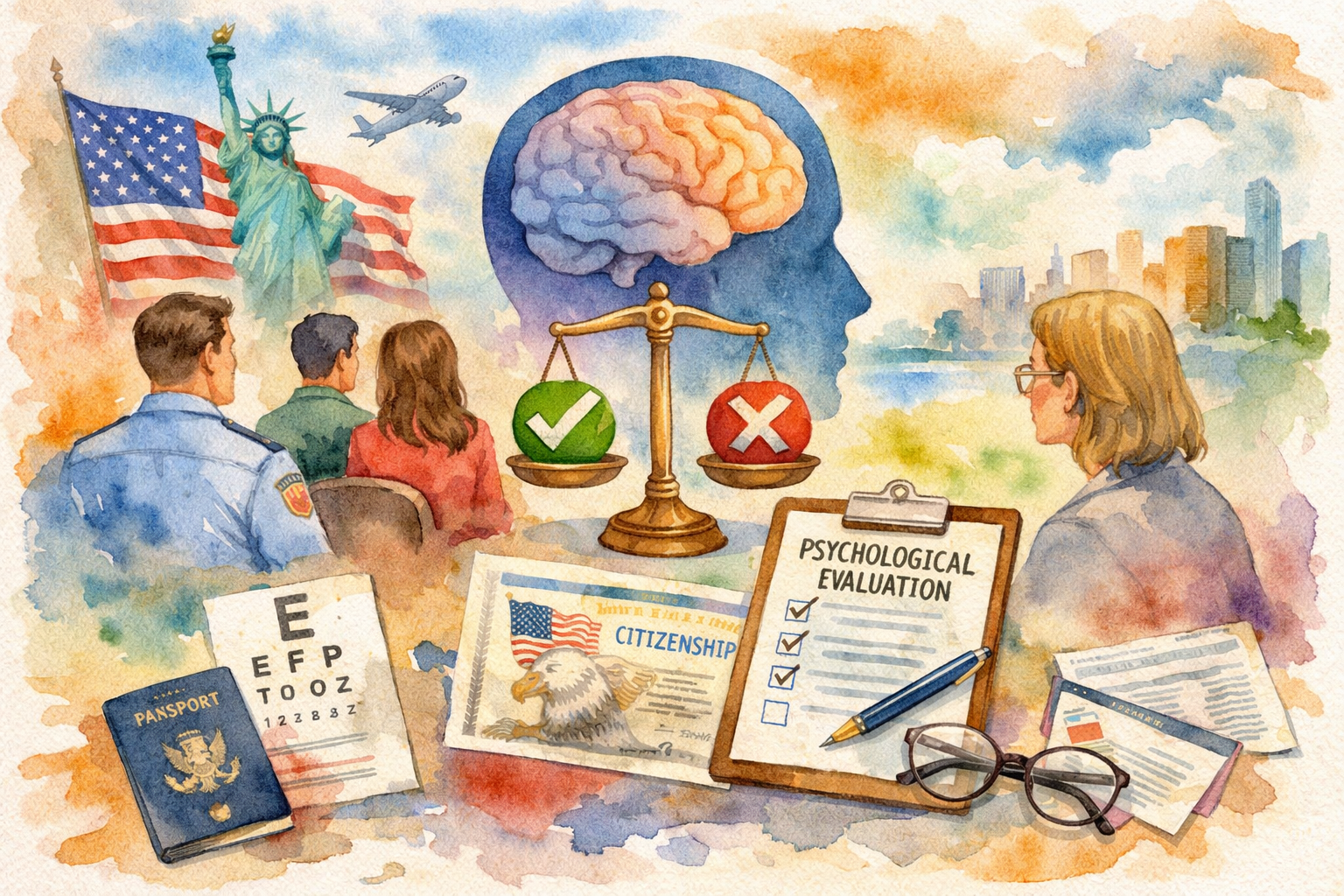

Asylum Psychological Evaluation
What Is an Asylum Psychological Evaluation?
An asylum psychological evaluation documents the emotional and psychological impact of trauma, persecution, or violence that a person may have experienced in their home country. These evaluations are often used as supporting evidence in immigration cases before the asylum office, immigration court, or U.S. Citizenship and Immigration Services.
The purpose of the evaluation is to:
Provide professional documentation of trauma-related symptoms
Explain how past experiences have affected the person’s mental health
Support the credibility of the individual’s story
Clarify inconsistencies that may be related to trauma, memory difficulties, or fear
What Happens During the Evaluation?
The process typically includes:
A detailed conversation about your personal history and experiences
Discussion of any traumatic events or persecution you experienced
Questions about current emotional symptoms (such as anxiety, depression, nightmares, or difficulty sleeping)
Standard psychological screening tools, when appropriate
The evaluation is conducted in a safe, respectful, and confidential environment. If needed, a professional interpreter can be arranged.
What Does the Final Report Include?
The written report generally contains:
A summary of your background and experiences
Clinical observations
Any mental health diagnoses, if appropriate
An explanation of how trauma may affect memory, emotions, and daily functioning
A professional opinion linking your psychological symptoms to your reported experiences
The report is written in clear language so that attorneys, immigration officers, and judges can understand the psychological impact of your experiences.
Why Is It Important?
Many individuals seeking asylum have survived extremely difficult and traumatic events. Trauma can affect memory, concentration, and the ability to speak about painful experiences. A psychological evaluation helps decision-makers understand these effects and provides professional documentation to support your case.
A Supportive and Respectful Process
An asylum psychological evaluation is not a test you can “pass” or “fail.” It is a compassionate, professional assessment designed to document your experiences and how they have affected you. The goal is to provide accurate, thorough, and ethical support for your immigration case while treating you with dignity and care.
I-601/ I-601A Waiver
What Is an I-601 Waiver Psychological Evaluation?
An I-601 Waiver Psychological Evaluation is a supportive, professional assessment prepared by a licensed mental health provider to accompany an immigration waiver application. Form I-601, called the Application for Waiver of Grounds of Inadmissibility, is used when someone has been told they are not currently eligible to enter or remain in the United States and is asking the government to forgive that issue.
In many cases, the waiver must show that a close qualifying family member, such as a U.S. citizen or lawful permanent resident spouse or parent, would experience extreme hardship if the applicant is not allowed to stay in or return to the United States or if they were forced to relocate.
What Is the Purpose of the Evaluation?
The evaluation focuses on the emotional, psychological, and sometimes medical impact that separation or relocation would have on the qualifying family member.
It is designed to:
Document symptoms such as anxiety, depression, trauma-related stress, or other mental health concerns
Explain how separation or relocation would affect daily functioning, work, parenting, and overall well-being
Provide professional evidence to support a claim of extreme hardship
Clarify the seriousness and long-term impact of the situation
The goal is to present a clear, compassionate, and evidence-based picture of the hardship involved.
What Happens During the Evaluation?
The process usually includes:
A detailed interview about personal, family, and immigration history
Discussion of the emotional impact of the current situation
Exploration of how separation or relocation would affect mental health and stability
Review of any prior mental health or medical treatment, if applicable
Standard psychological screening tools, when appropriate
Evaluations are conducted in a safe, respectful, and confidential setting. If needed, an interpreter can be arranged.
What Does the Final Report Include?
The written report generally contains:
A summary of relevant personal and family background
Clinical observations and assessment findings
Any appropriate mental health diagnoses
A professional explanation of the psychological impact of separation or relocation
A clinical opinion regarding the level of hardship
The report is written in clear, straightforward language so that attorneys, immigration officers, and judges can easily understand the psychological impact of the situation.
Why Is It Important?
Immigration decisions can have life-changing consequences for families. When a waiver requires proof of “extreme hardship,” it is not enough to simply say that separation would be difficult. The hardship must be clearly explained and supported with credible evidence.
A psychological evaluation provides an in-depth, professional understanding of how the situation is affecting the qualifying family member’s emotional health, stability, and daily life. It helps show the real human impact behind the paperwork, including how stress, fear, and uncertainty may be affecting sleep, concentration, work performance, parenting, physical health, and overall functioning.
By offering a careful clinical assessment, the evaluation gives immigration officials a clearer picture of the seriousness of the hardship and the potential long-term consequences if the waiver is not granted. It brings clarity, structure, and professional insight to a deeply personal and often overwhelming experience.
T-Visa Psychological Evaluation
T Visa Psychological Evaluation
What Is a T-Visa Psychological Evaluation?
A T-Visa Psychological Evaluation is a professional, trauma-informed assessment prepared by a licensed mental health provider to support an application for a T visa. A T visa is a form of immigration protection available to individuals who have experienced human trafficking and are seeking safety and legal status in the United States.
Human trafficking can include situations involving force, fraud, or coercion for labor or commercial sex. Many survivors experience significant emotional and psychological effects as a result of these experiences. A psychological evaluation helps document those effects in a clear, compassionate, and professional manner.
What Is the Purpose of the Evaluation?
The evaluation is designed to:
Document the emotional and psychological impact of trafficking
Identify symptoms such as anxiety, depression, trauma-related stress, or fear
Explain how traumatic experiences may affect memory, trust, and the ability to speak about what happened
Provide professional support for the details shared in the immigration application
The report helps immigration officials better understand the mental health effects of trafficking and the need for protection.
What Happens During the Evaluation?
The process typically includes:
A detailed and sensitive conversation about personal history and experiences
Discussion of emotional and psychological symptoms
Exploration of current safety, support systems, and daily functioning
Use of standard psychological screening tools when appropriate
Evaluations are conducted in a safe, respectful, and confidential setting. The pace is guided by the individual’s comfort level, and breaks can be taken as needed. Interpreters can be arranged if necessary.
What Does the Final Report Include?
The written report generally contains:
A summary of relevant background information
Clinical observations
Any appropriate mental health diagnoses
An explanation of how the reported experiences are consistent with trauma-related symptoms
A professional opinion regarding psychological impact
The report is written in clear, accessible language so that attorneys and immigration officials can understand the emotional and psychological effects of the experiences described.
A Compassionate and Supportive Process
A T-Visa psychological evaluation is not an interrogation or a test. It is a supportive process designed to document the impact of difficult experiences with care and professionalism. The goal is to ensure that your story is understood in a way that reflects both its seriousness and your strength.
U-Visa Psychological Assessment
What Is a U Visa Psychological Evaluation?
A U Visa Psychological Evaluation is a professional assessment prepared by a licensed mental health provider to support an application for a U visa. A U visa is available to individuals who have been victims of certain crimes in the United States and who have cooperated, or are willing to cooperate, with law enforcement in the investigation or prosecution of that crime.
Many victims of crime experience emotional and psychological effects as a result of what happened to them. A psychological evaluation helps document those effects in a clear, compassionate, and professional way.
What Is the Purpose of the Evaluation?
The evaluation is designed to:
Document the emotional and psychological impact of the crime
Identify symptoms such as anxiety, depression, trauma-related stress, or fear
Explain how traumatic experiences may affect memory, concentration, or the ability to talk about the event
Provide professional support for the information shared in the immigration application
The goal is to help immigration officials understand the mental health impact of the crime and how it has affected the person’s daily life and overall well-being.
What Happens During the Evaluation?
The process typically includes:
A detailed and supportive conversation about personal history and the crime experienced
Discussion of emotional and psychological symptoms
Exploration of how the experience has affected relationships, work, school, or daily functioning
Use of standard psychological screening tools when appropriate
Evaluations are conducted in a safe, respectful, and confidential setting. The process moves at a pace that feels manageable, and breaks can be taken if needed. Interpreters can be arranged when necessary.
What Does the Final Report Include?
The written report generally contains:
A summary of relevant background information
Clinical observations
Any appropriate mental health diagnoses
An explanation of how the reported experiences are consistent with trauma-related symptoms
A professional opinion regarding psychological impact
The report is written in clear, reader-friendly language so that attorneys and immigration officials can understand the emotional and psychological effects of the crime.
A Safe and Empowering Process
A U Visa psychological evaluation is meant to be a supportive and empowering experience. You are not being judged or evaluated for “right” or “wrong” answers. Instead, the focus is on creating a space where you can share your experiences at your own pace and in a way that feels comfortable for you.
Trauma can be difficult to talk about, and it is completely normal to feel nervous, emotional, or unsure during the process. The evaluation is conducted with sensitivity and care, with attention to your comfort and well-being throughout. The goal is to ensure your experiences are understood accurately and respectfully, while prioritizing your sense of safety and dignity.
VAWA Psychological Evaluation
What Is a VAWA Psychological Assessment?
A VAWA Psychological Assessment is a professional evaluation prepared by a licensed mental health provider to support an immigration petition under the Violence Against Women Act, commonly known as VAWA. VAWA allows certain individuals who have experienced abuse by a U.S. citizen or lawful permanent resident spouse, parent, or adult child to apply for immigration status independently, without relying on the abusive family member.
Although the law is called the Violence Against Women Act, it can apply to people of any gender who meet the requirements.
What Is the Purpose of the Assessment?
The assessment is designed to:
Document the emotional and mental health impact of the abuse
Identify symptoms such as anxiety, depression, trauma-related stress, or fear
Explain how patterns of control, manipulation, or intimidation may have affected confidence and decision-making
Provide professional support for the experiences described in the immigration petition
The goal is to help immigration officials understand the psychological impact of the abuse and how it has affected the individual’s well-being and daily functioning.
What Happens During the Assessment?
The process usually includes:
A detailed and supportive conversation about personal history and the relationship
Discussion of the abusive experiences and their emotional impact
Exploration of current symptoms and coping strategies
Use of standard psychological screening tools when appropriate
The assessment is conducted in a private, respectful, and confidential setting. You are encouraged to share at a pace that feels manageable, and breaks can be taken if needed. Interpreters can be arranged when necessary.
What Does the Final Report Include?
The written report generally contains:
A summary of relevant background and relationship history
Clinical observations
Any appropriate mental health diagnoses
An explanation of how the reported experiences are consistent with the psychological effects of abuse
A professional opinion regarding emotional and psychological impact
The report is written in clear, reader-friendly language so that attorneys and immigration officials can easily understand the seriousness of the situation and its effects.
A Trauma-Informed and Compassionate Approach
A VAWA psychological assessment is not about proving worth or placing blame. It is a supportive process designed to carefully document your experiences and their impact. The focus is on creating a safe space where you are heard, respected, and treated with dignity throughout the evaluation.
N-648 Psychological Evaluation
What Is an N-648 Psychological Evaluation?
An N-648 Psychological Evaluation is a professional assessment prepared by a licensed mental health provider to support an N-648 form, which is used in the U.S. naturalization process. Form N-648, officially called the Medical Certification for Disability Exceptions, allows applicants to request an exemption from the English language and/or civics requirements if a physical or mental condition prevents them from meeting these requirements.
A psychological evaluation helps document how a cognitive, psychiatric, or developmental condition affects the applicant’s ability to learn, understand, or communicate in English and/or understand U.S. civics.
What Is the Purpose of the Evaluation?
The evaluation is designed to:
Assess cognitive, psychiatric, or developmental conditions that may affect learning or comprehension
Document how the condition limits the applicant’s ability to meet naturalization requirements
Provide a clear professional opinion to support the N-648 form
Offer objective evidence that decision-makers can use to understand the applicant’s challenges
The goal is to provide a thorough, professional, and compassionate assessment of the applicant’s mental or cognitive health as it relates to the naturalization process.
What Happens During the Evaluation?
The process usually includes:
A detailed interview about medical, psychological, and educational history
Assessment of cognitive functioning, memory, comprehension, and communication skills
Review of any prior mental health or medical documentation
Use of standardized psychological tests when appropriate
The evaluation is conducted in a supportive and confidential environment. The pace is tailored to the applicant’s comfort, and breaks can be taken if needed. Interpreters can be arranged when necessary.
What Does the Final Report Include?
The written report generally contains:
A summary of relevant personal and medical history
Clinical observations and assessment results
Any diagnoses or cognitive limitations identified
A professional explanation of how the condition affects the ability to meet English and civics requirements
A clear, professional opinion linking the condition to the requested exception
The report is written in straightforward, reader-friendly language so that U.S. Citizenship and Immigration Services (USCIS) officials can understand the applicant’s needs and challenges.
A Thoughtful and Individualized Approach
An N-648 psychological evaluation is designed to carefully consider each person’s unique situation. The process focuses on understanding how your specific condition affects learning, comprehension, or memory, rather than judging ability or performance.
The evaluation is conducted in a patient and considerate way, allowing you to share your experiences fully and comfortably. The goal is to provide a clear, professional assessment that reflects your individual needs and challenges while treating you with respect and professionalism throughout.
How Assessments Works

Reach Out
Schedule a free consultation to go over specific needs and testing process.

Schedule Assessment
Assessments typically range from 1 - 4 hours and are conducted virtually.
We will reach out to schedule final feedback session.
When the report is complete the clinician will reach out to discuss the content and finding of the report.
Frequently Asked Questions
-
Yes, a free 15-minute consultation helps us decide if we’re a good fit.
-
That’s completely okay. We move at your comfort level.
-
Getting started is simple. Reach out through our contact form or schedule a call—we’ll walk you through the next steps and answer any questions along the way.
-
Currently we only offer virtual sessions. We use a HIPPA compliant virtual platform to conduct our sessions. Please make sure to join sessions from a comfortable and private location.
-
We do not bill insurance directly. Many clients choose to pay privately at the time of service and submit a superbill to their insurance company for potential out-of-network reimbursement. If you would like assistance determining whether your plan may reimburse for out-of-network mental health services, we can provide a sample superbill and guidance on what information your insurer typically requires (diagnosis code, CPT code, session date/length, provider information).
-
Out-of-Network Policy & Fees
Our practice operates as an out-of-network provider. Payment is due at the time of service, and we will provide an invoice receipt upon request. We also provide monthly superbills (statements) that you can submit to your insurance company for potential reimbursement.
Fee Schedule
Initial Intake Evaluation: $225
Individual Therapy Session: $200
Immigration Evaluations: $1,200 – $1,500 (depending on the complexity and type of evaluation)
Supervision & Professional Consultation: Please contact us directly to discuss your specific needs and pricing.
-
We understand that life happens and it can be hectic. If you need to cancel or reschedule your appointment, please provide at least 24 hours' notice. Cancellations, rescheduled appointments, or missed sessions (no-shows) with less than 24 hours' notice will be subject to a $100 fee.
Still have questions? Reach out anytime to our email or through our contact page.